Online slot games have developed considerably from the traditional machines found in physical casinos. Modern versions feature different reel arrangements, symbol combinations, bonus rounds, and interactive elements that shape how each game operates. These features are commonly known as game mechanics. They determine how symbols appear, how winning combinations are calculated, and what conditions activate additional features. Although slot games may share familiar elements, their mechanics can differ significantly depending on their design. Understanding these systems helps players recognize Diwa Spin during gameplay and how individual features contribute to the overall experience. It also provides a clearer picture of how developers combine mathematical systems with visual elements to create different types of online slot games.
Understanding Reel Structures
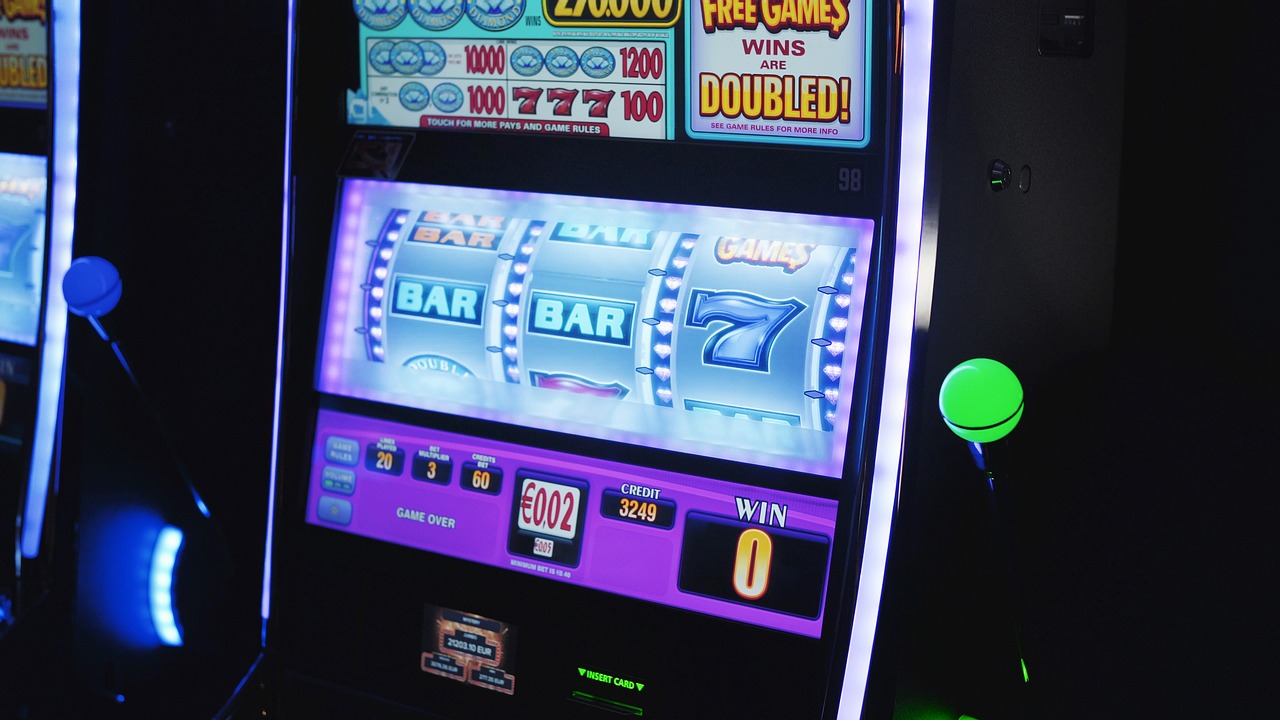
Reel structures form the foundation of most online slot games. They determine how symbols are arranged and displayed during each spin. Traditional slot games commonly use three reels, while modern versions often feature five or more reels. Some games introduce additional columns, rows, or unusual arrangements to create different combinations. The number of symbols displayed on each reel can also influence the game’s structure. A conventional five-reel slot may show three symbols per reel, while other versions use larger grids with additional positions. These arrangements affect the number of possible symbol combinations. Developers select reel structures based on the intended gameplay and mathematical design. Some prefer simple layouts that resemble traditional machines, while others introduce expanded grids to support more complicated features. The arrangement provides the framework for other mechanics to operate.
Exploring Paylines and Winning Combinations
Paylines determine which symbol arrangements qualify as winning combinations in traditional slot games. A payline is a specific pattern across the reels where matching symbols must appear to produce a payout. Some games use a limited number of fixed paylines, while others offer numerous patterns. Modern slot games may also use alternative systems. Ways-to-win mechanics award combinations when matching symbols appear on consecutive reels, regardless of their exact vertical positions. Cluster pays systems follow another approach by rewarding groups of matching symbols positioned next to one another. These systems create different gameplay structures. Fixed paylines require players to understand specific patterns, while ways-to-win and cluster mechanics offer alternative methods of forming combinations. The paytable usually explains how each system works and identifies the symbols associated with different payouts.
Examining Special Symbol Functions
Symbols do more than create ordinary winning combinations. Many online slot games include special symbols that activate additional functions or modify regular gameplay. Wild symbols are among the most familiar examples. They can substitute for certain regular symbols to help complete winning combinations, although their exact restrictions depend on the game’s rules. Scatter symbols serve another purpose. They may activate free spins, bonus rounds, or other special features when a required number appears anywhere on the reels. Unlike ordinary symbols, their positions may not need to follow a particular payline. Other games include expanding wilds, sticky wilds, and transforming symbols. Expanding wilds cover additional reel positions, while sticky wilds remain in place for a specified number of spins. Transforming symbols change into other symbols under certain conditions. These features introduce additional interactions and make individual games operate differently.
Discovering Bonus Rounds and Multipliers
Bonus rounds provide additional gameplay beyond the standard spinning process. They may become available when specific symbols appear or when certain conditions are met. Depending on the game, players might enter a separate screen, select objects, reveal prizes, or participate in additional spins. Free spins are another common feature. They allow a player to receive a specified number of spins without placing a new wager for each one. Some games include additional conditions, such as special multipliers or expanding wilds, during these rounds. Multipliers affect the value of qualifying wins by applying a designated factor. For example, a two-times multiplier doubles an eligible payout, while a five-times multiplier increases it fivefold. However, multipliers do not guarantee a winning combination. Their application depends on the game’s programmed rules, which should be explained in its information section.
Comparing Advanced Reel Mechanics
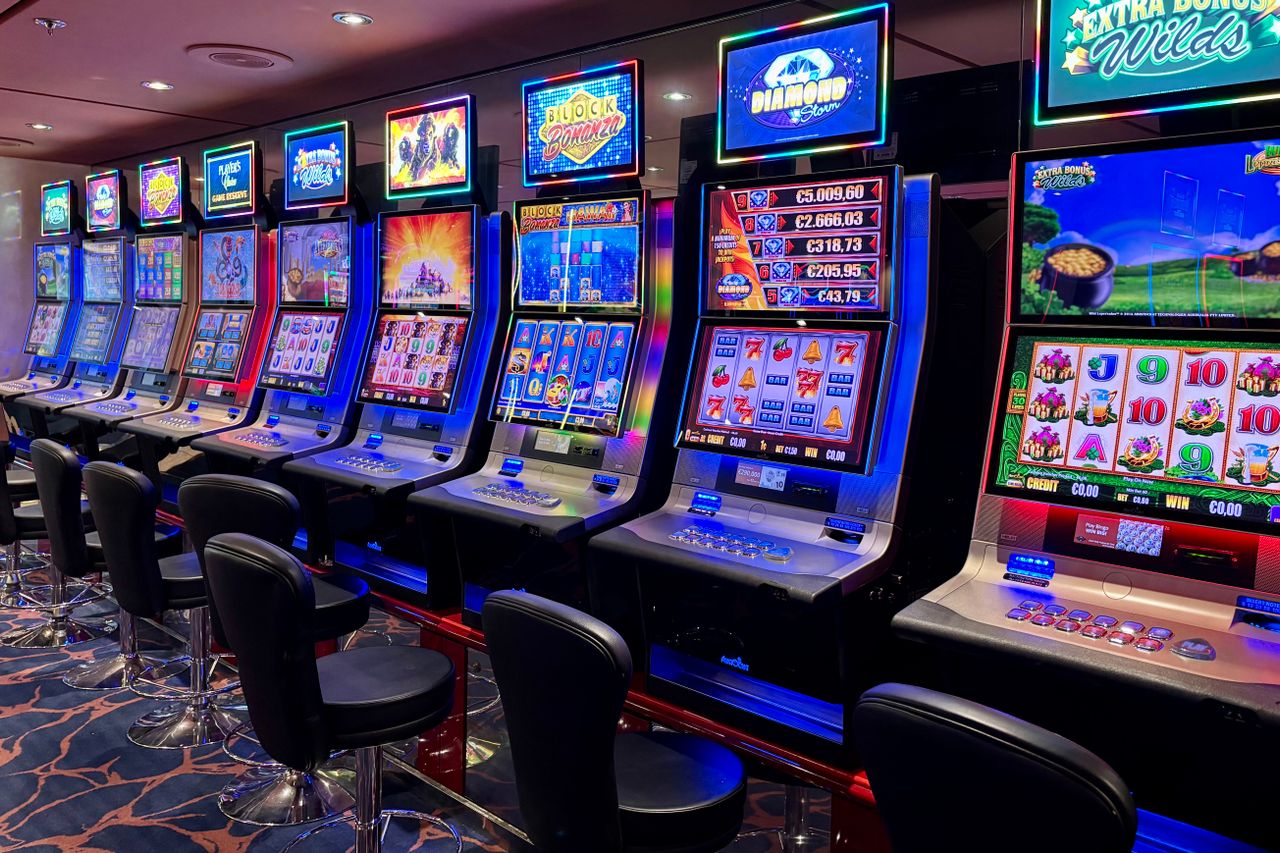
Modern slot developers frequently introduce mechanics that change how reels behave during gameplay. Cascading reels, for instance, remove symbols involved in a winning combination and allow new symbols to fall into the empty positions. This process may create additional combinations within the same spin. Megaways mechanics use changing symbol arrangements to produce different numbers of ways to win on each spin. The number of visible symbols on individual reels can vary, creating a changing reel configuration. Hold-and-spin features follow a different approach. Certain symbols remain in their positions while other reel spaces continue to spin. These mechanics are often associated with jackpot-style games and additional prize opportunities. Although these features create more variety, each follows specific rules. Understanding their conditions helps explain why different games can feel distinct even when they share similar themes or visual designs.
Understanding Randomness and Game Volatility
Behind every slot mechanic is a mathematical system that determines game outcomes. Random number generators, commonly called RNGs, produce sequences of numbers that software uses to determine symbol positions and results. In properly functioning games, each spin is independent of previous outcomes. Return to Player, or RTP, represents the theoretical percentage of total wagers a game is designed to return over an extended period. It does not predict what an individual player will receive during a short session. Volatility describes the general distribution of potential payouts. Lower-volatility games typically feature more frequent, smaller wins, while higher-volatility games may produce less frequent but larger potential payouts. These characteristics help describe a game’s mathematical profile rather than guarantee specific results.
Understanding online slot mechanics involves looking beyond symbols and animations. Reel structures, paylines, special symbols, bonus features, and mathematical systems all contribute to how a game operates. Each mechanic serves a particular function and follows defined rules. By becoming familiar with these elements, players can better understand game descriptions, compare different slot formats, and recognize the features that distinguish one title from another.
Leave a Reply