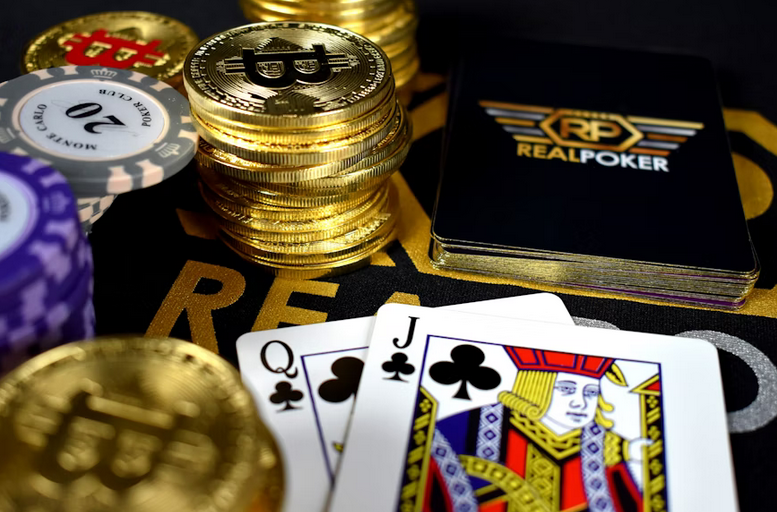
You’ve been spinning, betting, or rolling for hours. Suddenly, it feels like the universe is on your side. Every card flips in your favor. Every spin brings another win. As odd as it sounds, it’s similar to how scientists study the clinical manifestations of emphysema, like the patterns, triggers, and reactions, all tied to human behavior. That’s the rush of a winning streak, the casino’s most intoxicating illusion. Believe it or not, it has more to do with psychology than probability. So what’s the psychological trick behind it? Is luck really just a random thing? Read on and you’ll find the answers.
The Brain on a Winning Streak

When you win repeatedly, your brain releases a wave of dopamine. It’s the same “feel-good” chemical responsible for joy, motivation, and even mild addiction. The more you win, the stronger that reward signal becomes. Suddenly, you’re convinced you’ve cracked some secret rhythm of luck. This mental high tricks players into believing they have control over random outcomes. Psychologists call it the “illusion of control.” It’s like thinking you can roll dice differently for better results. In reality, your streak is random. But your mind feels like it’s mastering the game. That’s the beauty and danger of luck’s illusion.
Confidence: The Silent Game-Changer
Confidence during a winning streak can make or break your session. When players feel in sync with their game, their decisions become faster, bolder, and oddly more effective. This isn’t magic but it’s focus. You’re more alert, more engaged, and you start trusting your instincts. But here’s the catch: overconfidence is a double-edged sword. The same mindset that helps you win can push you to bet too big or too often. Casinos thrive on this psychological seesaw, like feeding the rush while quietly stacking odds against you. Awareness is your best defense. Enjoy the wave, but don’t ride it blind.
Luck, Patterns, and the Human Brain
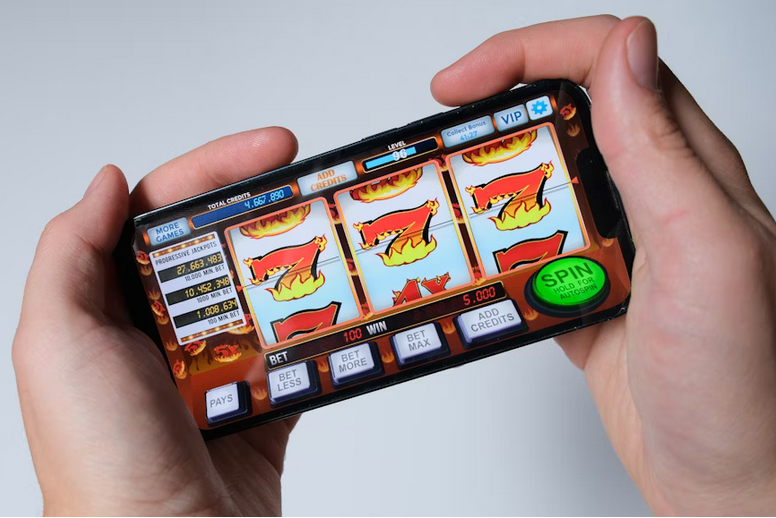
Humans are natural pattern seekers. It’s how our ancestors survived and how we now see faces in clouds or “lucky numbers” in roulette. During a winning streak, your brain starts connecting random events into meaningful sequences. You might even start believing the machine “likes” you. That perception feeds emotional energy into each play. You lean in, you breathe differently, and your focus narrows. Ironically, this mindset can improve performance in skill-based games like poker but does absolutely nothing in pure chance games. Still, the feeling of connection keeps people coming back. Luck, it turns out, is an emotional experience, not a statistical one.
The Break Point: When to Step Back
Every streak, winning or losing, hits a tipping point. The smart players recognize it early. They sense the shift in energy, the change in momentum. That’s the perfect moment to pause, cash out, and protect what you’ve gained. This doesn’t mean running from risk; it’s about respecting probability.
Can You Influence Luck?
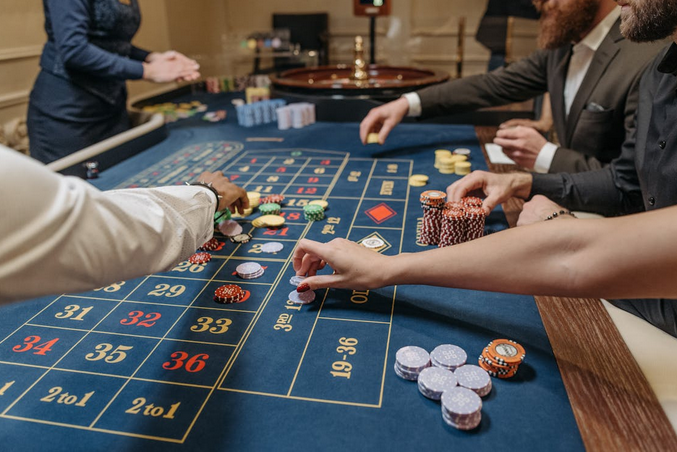
Short answer: no. Long answer: kind of. While luck itself is random, your mindset affects how you interact with it. Players who stay calm and focused tend to make better decisions during streaks. They ride momentum intelligently, not emotionally. So, while you can’t bend the universe to your favor, you can control how you respond to it. Maybe that’s the real magic behind luck. It’s half chance, half self-control. The next time you hit that streak, enjoy the ride, but remember: the real win is leaving the table with your head, heart, and wallet all intact.
Leave a Reply