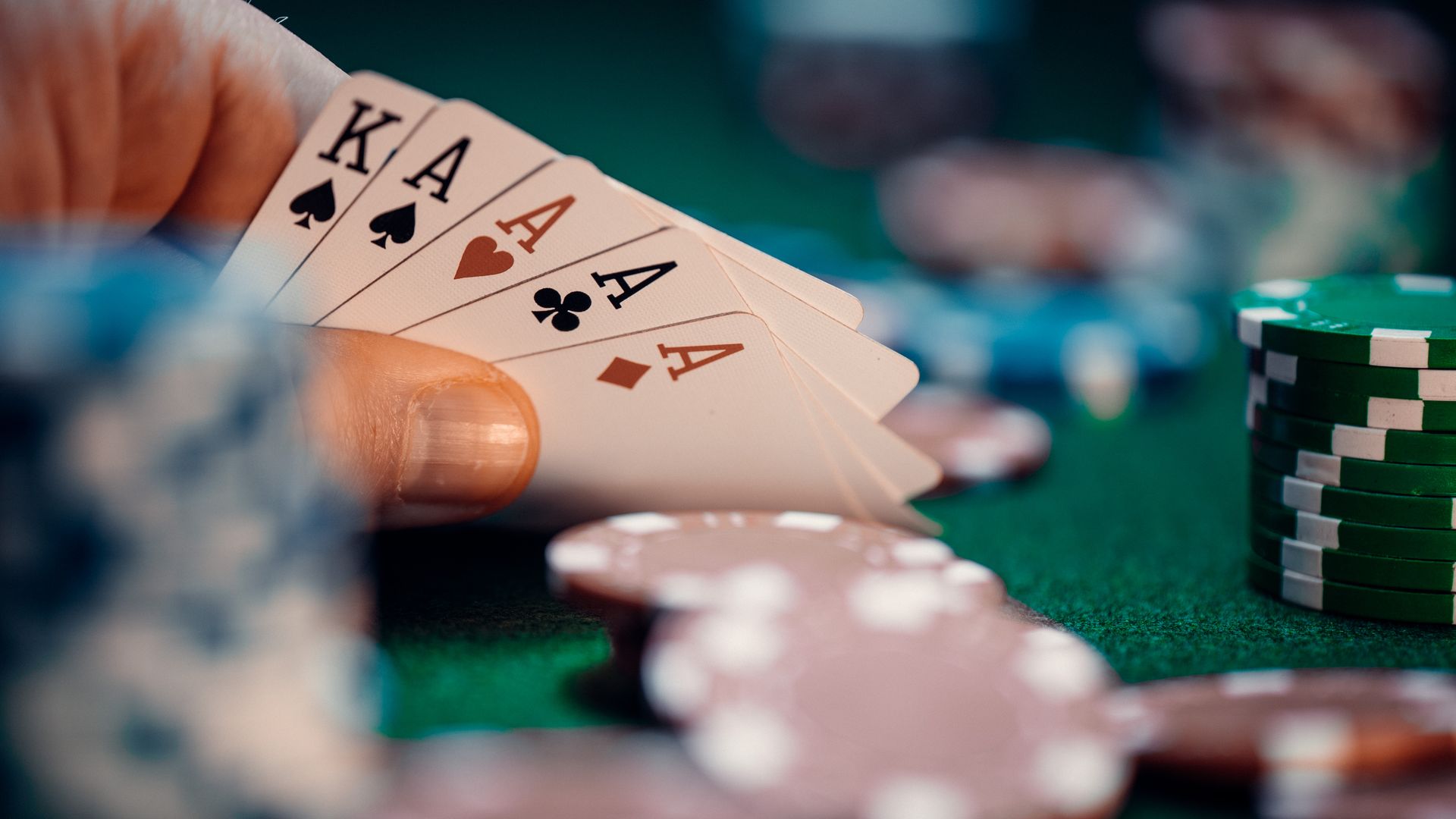
Poker has always been considered one of the most skill-based card games in the world. Success requires a combination of strategy, probability, psychology, patience, and the ability to read opponents. For decades, top players relied on experience and intuition to gain an edge at the table. However, the rise of artificial intelligence has introduced a new competitor that doesn’t get tired, emotional, or distracted. As AI technology continues to evolve, many poker enthusiasts are wondering whether machines will eventually become the ultimate poker opponents. The answer is becoming increasingly fascinating as technology pushes the boundaries of what is possible in competitive gaming.
How AI Learned to Play Poker
Teaching a computer to play poker is much more complicated than teaching it games like chess. In poker, players do not have access to all available information because opponents’ cards remain hidden. This uncertainty makes decision-making far more complex. Modern AI systems use advanced algorithms and machine learning techniques to analyze millions of possible situations. By studying patterns and outcomes, these systems continuously improve their strategies and adapt to different styles of play.
Online Poker Is Driving AI Innovation
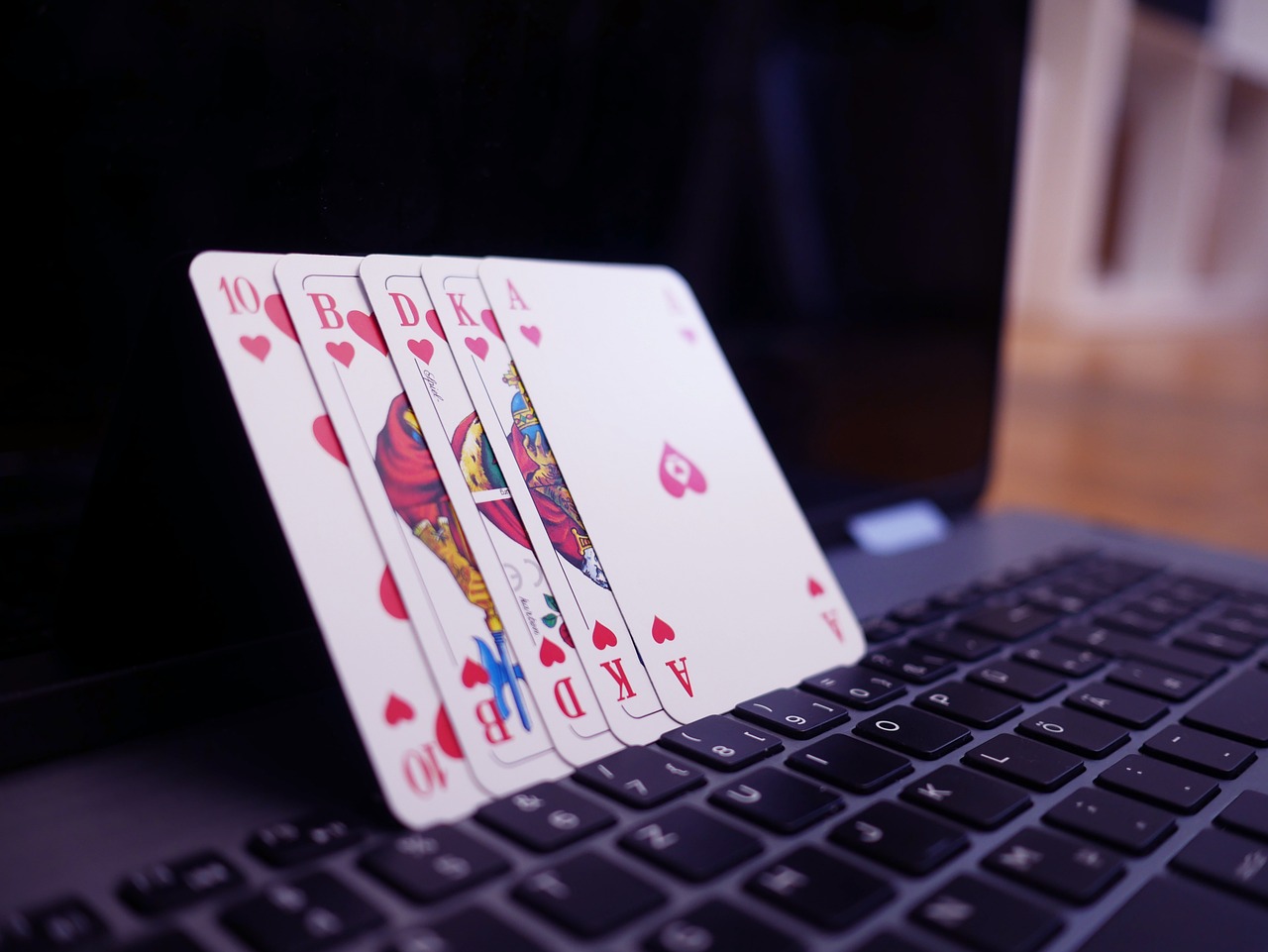
The growth of online poker has provided a massive amount of data for researchers and developers. Platforms and communities that discuss poker strategy, including players who follow trends on sites like yono 777, contribute to a broader understanding of how decision-making works in digital environments. With access to countless hands and gameplay scenarios, AI systems can train more efficiently than ever before, helping them identify optimal moves in situations that might challenge even experienced professionals.
AI Never Suffers From Human Emotions
One of the biggest advantages AI has over human players is emotional consistency. Human players often experience frustration, overconfidence, fear, or fatigue, all of which can negatively affect decision-making. Poker professionals spend years learning how to manage these emotions because a single mistake can be costly. AI, on the other hand, evaluates every situation objectively. It does not chase losses, become impatient, or alter its strategy due to stress, making it an incredibly disciplined opponent.
Bluffing Against Machines Is Different
Bluffing has long been one of the most exciting aspects of poker. Human players rely on body language, betting patterns, and psychological pressure to influence opponents. AI approaches bluffing from a mathematical perspective rather than an emotional one. Instead of reacting to fear or confidence, it calculates whether a bluff is statistically beneficial. This creates a unique challenge for human players because traditional psychological tactics may have less impact against an opponent that relies purely on probabilities.
Can Humans Still Compete?

Despite AI’s impressive capabilities, human players still bring unique strengths to the table. Creativity, adaptability, and the ability to recognize unusual situations can sometimes produce results that algorithms may not immediately anticipate. Poker is constantly evolving, and players continue to develop innovative strategies. While AI often dominates in highly controlled environments, human ingenuity remains a valuable factor that keeps the competition interesting.
The Future of Poker and Artificial Intelligence
As AI technology advances, its influence on poker will likely continue to grow. Training tools powered by artificial intelligence are already helping players improve their skills by analyzing hands and identifying weaknesses. Future developments may create even more sophisticated systems capable of offering real-time insights and strategic recommendations. Rather than replacing human players entirely, AI may become an essential part of how people learn, practice, and compete in poker.
Artificial intelligence has already proven it can compete with, and often outperform, some of the world’s best poker players. Its ability to process information, remain emotionally neutral, and continuously improve makes it a formidable opponent. However, poker remains a game shaped by creativity, adaptation, and human decision-making. While AI may become the strongest technical competitor at the table, the ongoing battle between human intuition and machine intelligence is what will continue to make poker such a fascinating game for years to come.